Who is this built for? Why is it unique?
The concept itself isn't unique by any means, but the implications are. The more AI comes into play with web design and the user experience - how users interact with the internet and what makes a good UI - I have personally seen AI create visually stunning layouts and interfaces that are functionally laughable or completely useless when it comes to performing the key functions one would expect from a basic website, whether that's serving dynamic content or displaying a simply blog feed. With AI, you have less control over you want if you don't know what you want, and this leads to wasted time and resources to get there.
This design is unique because it was created with AI where it made sense and broken down with HTML5 and CSS with Javascript where it didn't to create a lightweight, fully functional design showcase that is adaptable. Drop you AI content feed that personalizes content delivery based on user preferences alongside the basic functions the user prefers on their home page, creating a landing page that is customizable like a browser without the bloat.
How Can I Change the Theme In The Iframe? How is it like a Mood ring?
Select a UI theme based on your preferences in the upper right hand corner using the radio buttons. Your selection is a UI skin that would then be assigned to your account. The original prototype opened with a 'Describe The Vibe' personality test that further personalized the user experience by allowing you to select a mood or vibe that would skin the interface on the entire site. This could be changed using the radio buttons in the corner at any time or when you first enter the site based on your current mood. Each theme skin included a different color palette, fonts, and minimalist design features, backward compatible with WordPress and other infrastructure so that it can be applied to virtually and website running PHP.
How can I create a personalized web experience using the least amount of resource that is compatible with virtually any server, CMS, and CDN?
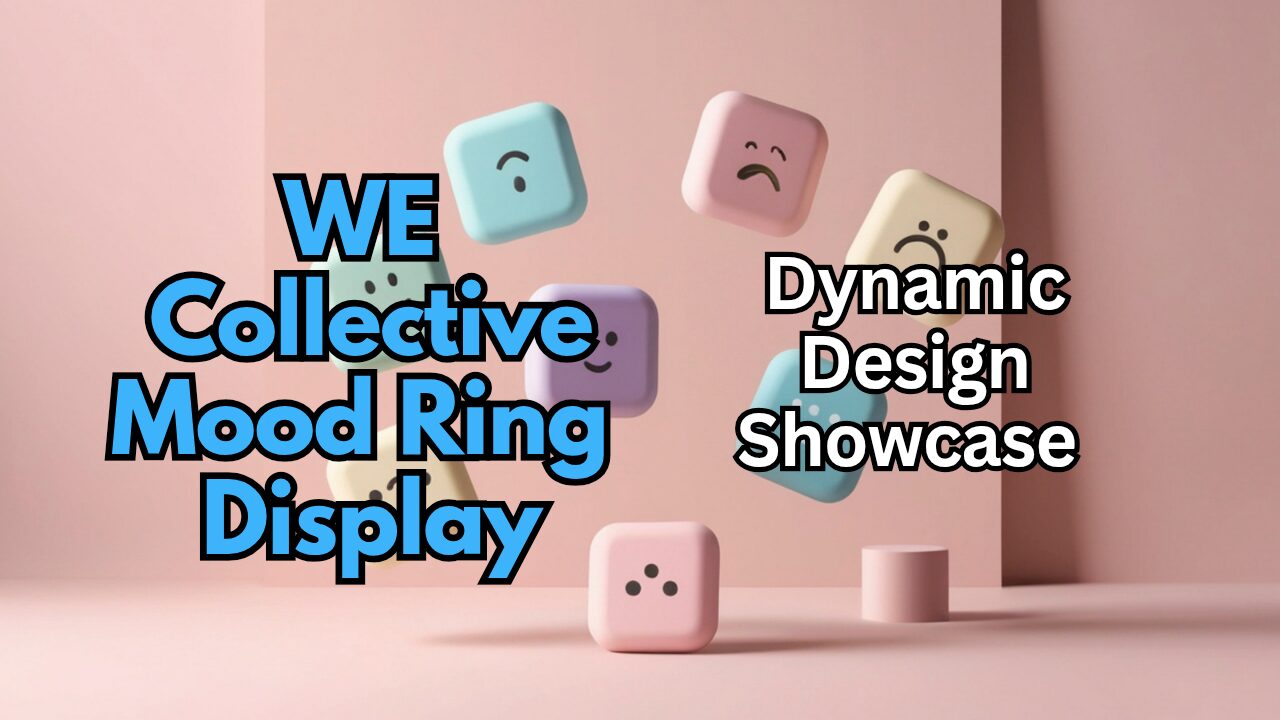
WE Collective: The Mood Based Design Experience
I was recently approached by someone who was exploring ideas for a women's platform aimed at organizing events, fundraisers, and providing resources, as well as developing pop-up boutiques and other themed initiatives they wanted to showcase on their website. Due to confidentiality, I will keep the details vague and will only discuss this concept in general terms, as it is uncertain whether the prototype was ever implemented, noting that it was shared as a demo rather than a fully functional site. Before I recognized my own expertise in UI/UX design over the course of my career, my approach to web design projects generally followed a consistent strategy: identifying the target audience, understanding their needs, determining the simplest path from point A to point B, and considering what would encourage users to return, even when there may not be anything new or particularly exciting. The Mood Ring UI concept served as a platform to demonstrate my design skills while ensuring compatibility with existing content management and delivery systems. This design not only operates as a complete website but also enables users to personalize their experiences, with a backend that intelligently caches user data to tailor content delivered on individual pages. However, the focus here is on the frontend and the unique elements that make it stand out.
This was created to showcase the different ways that users experience websites beyond accessibility demands and browser or viewport limitations by creating an adaptive, dynamic layout that the user can customize with limited options that do not touch the core design beyond the user heiarchy / permissions, implementing user account control for caching and cookies.
The design also showcases SEO content and GEO content strategy. With LLM/AI models crawling the internet all the time, many interpret text in the same context as the user input, so we consider delivery more now than every before. This has become centric to modern design beyond visual appeal and legal obligations. Display constraints often impact the user experience, but by allowing for adaptive viewport adjustment, every user experiences the same visual interface, regardless of the device it is viewed on.
Browse My Other Projects